Introduction
Resource guarding in dogs can turn ordinary moments into stressful situations. A dog may growl over a food bowl, snap when someone approaches a toy, or protect stolen household objects. These behaviors can frighten owners, especially when children are present. However, understanding the reasons behind resource guarding is the first step toward improvement.
Resource guarding in dogs often develops when they fear losing something valuable. Fortunately, careful management and reward-based training can help dogs feel safer. Trade drills are particularly useful because they teach dogs that releasing an item brings something better. With patience, consistency, and appropriate precautions, owners can reduce conflict and build trust.
What Is Resource Guarding in Dogs?
Resource guarding in dogs occurs when they use defensive behavior to keep access to something they value. Common resources include food, bones, toys, sleeping areas, and stolen objects. Some dogs also guard attention from their favorite people.
Guarding behavior can appear subtle at first. A dog might freeze, turn away, eat faster, or position its body over an object. Other warning signs include a hard stare, raised lips, growling, and snapping.
These signals should never be dismissed. They communicate discomfort and a desire for distance. Punishing the warning can make a situation more dangerous by suppressing communication without changing the underlying fear.
Why Do Dogs Guard Food and Toys?
Several factors can contribute to resource guarding in dogs. Some dogs have experienced competition over food or objects. Others may have learned that people frequently take their possessions away.

Genetics, anxiety, previous experiences, and individual temperament can also influence guarding behavior. Importantly, resource guarding does not automatically mean a dog is dominant or poorly trained.
A dog might guard a favorite toy because it predicts an enjoyable experience. Similarly, a dog protecting its dinner may worry that someone will remove the food. Training should therefore focus on changing these expectations rather than forcing compliance.
How to Stop Resource Guarding in Dogs Safely
The safest approach combines environmental management, positive reinforcement, and gradual training. Avoid deliberately provoking the dog to test its reaction. Instead, prevent situations that repeatedly trigger guarding.
Create a Safe Feeding Environment
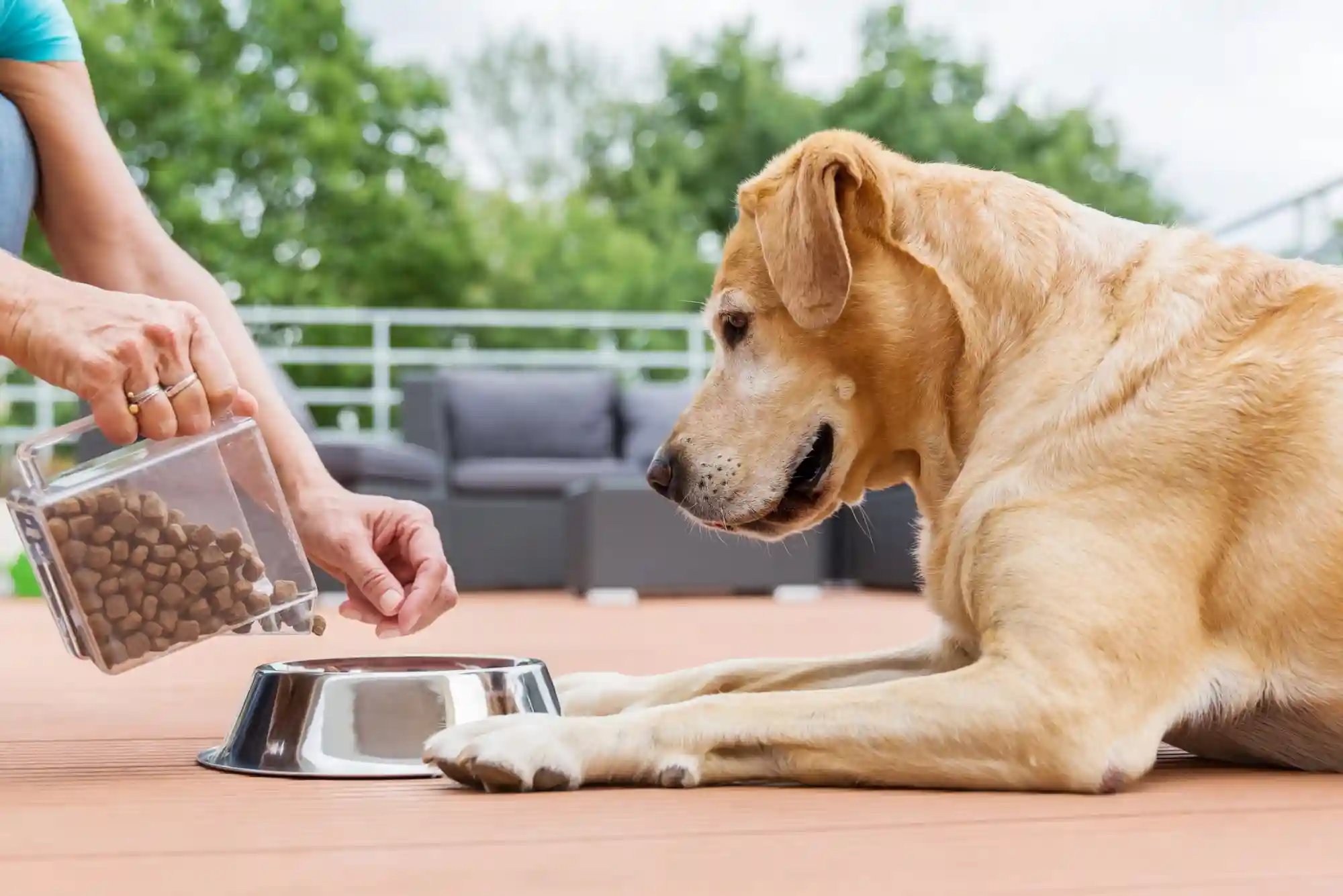
Feed your dog somewhere quiet where household members will not disturb it. Keep children away during meals, and separate other pets when necessary.
Avoid reaching into the bowl, touching the dog while eating, or repeatedly removing food. These actions can increase anxiety rather than teach cooperation.
If your dog guards its food bowl, provide meals without unnecessary interruptions. Over time, controlled training can help the dog associate a person’s presence with additional rewards.
Recognize Warning Signs Early
Learning canine body language helps prevent escalation. Watch for stiffness, freezing, hovering over objects, or sudden changes in facial expression.
When these signs appear, stop approaching and create distance. Do not grab the item or corner the dog. If the dog has already begun growling, prioritize safety over retrieving the possession.
Resource guarding in dogs requires particular caution when a dog has bitten someone previously. In these cases, consult a qualified, reward-based behavior professional before attempting trade drills.
What Are Trade Drills in Dog Training?
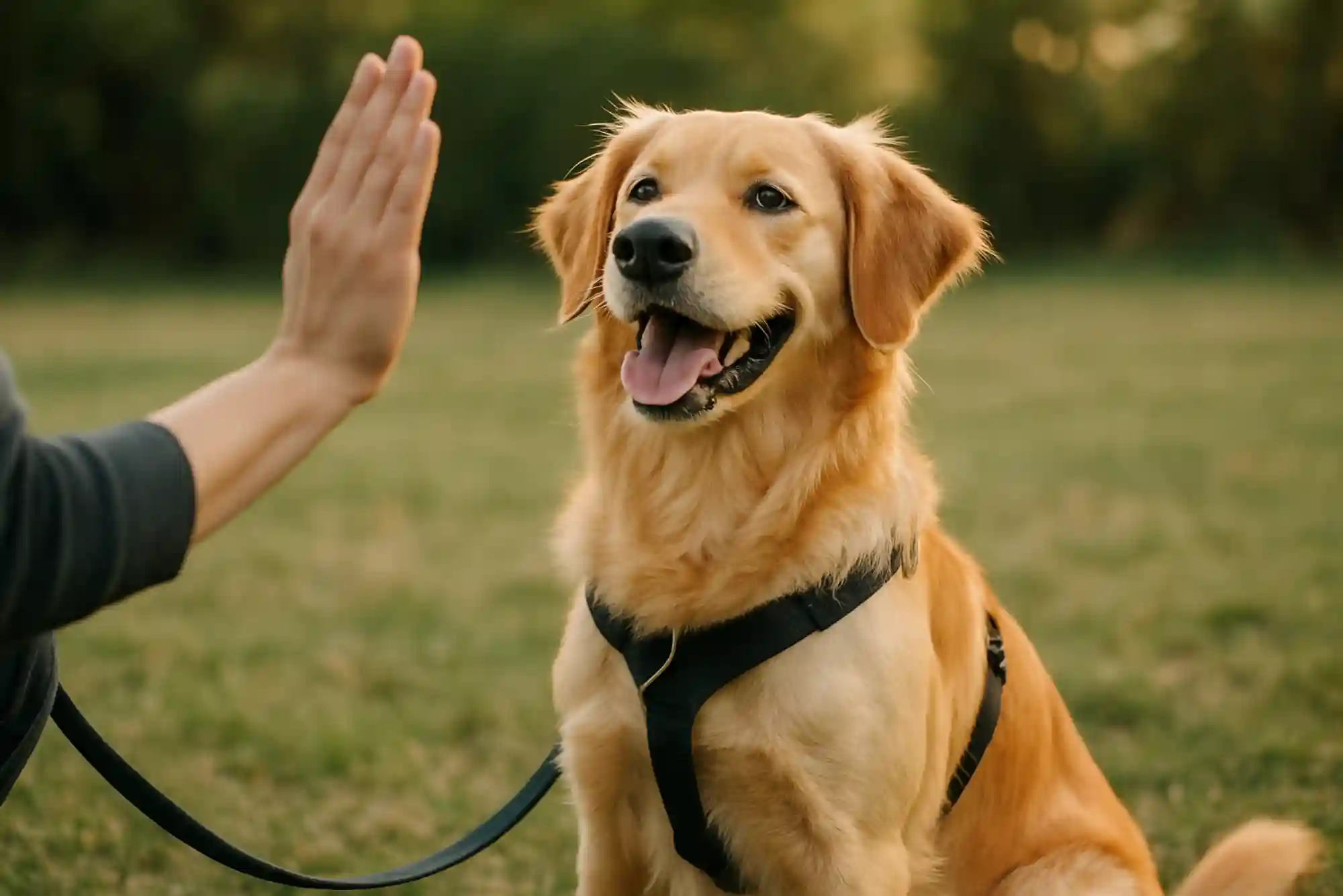
Trade drills teach dogs to voluntarily exchange an item for something valuable. Rather than losing a possession unexpectedly, the dog learns that releasing it can produce another enjoyable outcome.
This approach is useful for toys, household objects, and some forms of food-related guarding. However, training must match the dog’s emotional response and bite risk.
A trade should never become a trick for repeatedly taking everything away. Allowing the dog to keep safe items sometimes helps build confidence and trust.
How to Teach the Trade Cue
Begin with a low-value toy in a quiet environment. Offer a particularly appealing treat while keeping your hands away from the dog’s mouth.
When the dog releases the toy to take the treat, calmly praise it. Pick up the toy only if the dog remains relaxed. Whenever appropriate, return the toy afterward.
Repeat the exercise in short sessions. Introduce a consistent cue, such as “trade,” immediately before offering the reward. Eventually, the dog can learn that the cue predicts a worthwhile exchange.
Avoid grabbing the toy while the dog is still holding it. Never force the mouth open or pull against the dog’s grip.
Progress Gradually
Start with objects the dog does not strongly value. Practice when the dog is relaxed, and keep sessions brief.
Once the dog exchanges ordinary toys comfortably, gradually introduce more valuable items. However, stop if the dog freezes, stiffens, growls, or refuses food because of tension.
Progress depends on the individual dog. Some dogs learn quickly, while others need professional guidance and longer periods of careful practice.
How to Manage Food Guarding With Positive Reinforcement
Food guarding requires special attention because hands near a bowl can create serious risks. Never begin by taking away the bowl or touching the dog’s food while it eats.
Instead, a qualified professional can help design a gradual counterconditioning program. In suitable cases, this involves starting at a distance where the dog remains comfortable.
A person may briefly appear and toss a high-value treat toward the bowl before moving away. The goal is to teach the dog that a person’s presence predicts something positive.
Over time, the distance may decrease if the dog stays relaxed. The exercise should stop if tension increases.
Do not place your hand inside the bowl or encourage children to participate. If your dog has shown serious aggression around food, seek professional help before attempting this exercise.
Common Mistakes That Make Resource Guarding Worse
One common mistake is punishing growling. Growling provides valuable information about a dog’s discomfort. Punishment may increase fear and remove an important warning signal.
Another mistake is repeatedly taking toys away to establish control. This can teach the dog that human approaches predict loss.
Chasing a dog that has stolen an object can also create conflict. The dog may run away, swallow the object, or defend it when cornered.
Instead, manage access to dangerous items and practice exchanges with safe objects. Avoid confrontational methods, including alpha rolls, intimidation, and forced restraint.
Consistency matters, too. Household members should follow the same safety rules and avoid unpredictable interactions around valued possessions.
When Should You Seek Professional Help?
Professional assistance is important when resource guarding in dogs involves snapping, biting, lunging, or repeated attempts to attack. Seek help if guarding suddenly appears or becomes more intense.
A veterinarian can assess whether pain or another medical problem contributes to the behavior. This is especially important when an older dog develops new aggression.
A qualified veterinary behaviorist or experienced, reward-based behavior professional can develop an individualized treatment plan. They can also assess triggers, manage bite risks, and guide gradual behavior modification.
Until help is available, separate the dog from children and vulnerable household members during high-risk situations. Use barriers and prevent access to objects that regularly trigger guarding.
Never attempt to remove a dangerous object by force if doing so could provoke a bite. Contact a veterinarian or appropriate emergency service when the situation requires urgent assistance.
How Long Does It Take to Stop Resource Guarding?
There is no universal timeline for improving resource guarding in dogs. Mild cases may improve with consistent management and carefully structured training. More severe cases can require months of professional support.
Progress should be measured by the dog’s comfort rather than by the absence of growling alone. A relaxed body, voluntary exchanges, and reduced avoidance are encouraging signs.
Some dogs may always need management around particularly valuable resources. That does not mean training has failed. Preventing dangerous situations while maintaining the dog’s quality of life is a meaningful outcome.
Frequently Asked Questions
Can resource guarding in dogs be cured?
Resource guarding can often be reduced through management and reward-based behavior modification. However, complete elimination is not guaranteed. Some dogs continue to need supervision around highly valued objects.
Should I take food away from a guarding dog?
No. Repeatedly removing food can increase anxiety and defensive behavior. Provide a quiet feeding area and seek professional guidance for a safe training plan.
Why does my dog growl when I take a toy away?
Your dog may fear losing something valuable or may have learned that people approaching predict an unwanted outcome. Give the dog space and teach voluntary exchanges using positive reinforcement.
Do trade drills work for aggressive dogs?
Trade drills can help some dogs, but they are not appropriate for every situation. Dogs with a bite history or severe guarding need an individualized plan from a qualified professional.
Is resource guarding a sign of dominance?
Not necessarily. Resource guarding is better understood as behavior intended to retain access to something valuable. Fear, anxiety, previous experiences, and temperament may all contribute.
Can puppies develop resource guarding?
Yes. Puppies can begin guarding food, toys, or stolen objects early in life. Gentle prevention, appropriate management, and positive exchanges can help establish safer habits.
Conclusion
Resource guarding in dogs can be challenging, but understanding its causes makes safer training possible. Trade drills help dogs discover that releasing an object can bring valuable rewards rather than conflict.