
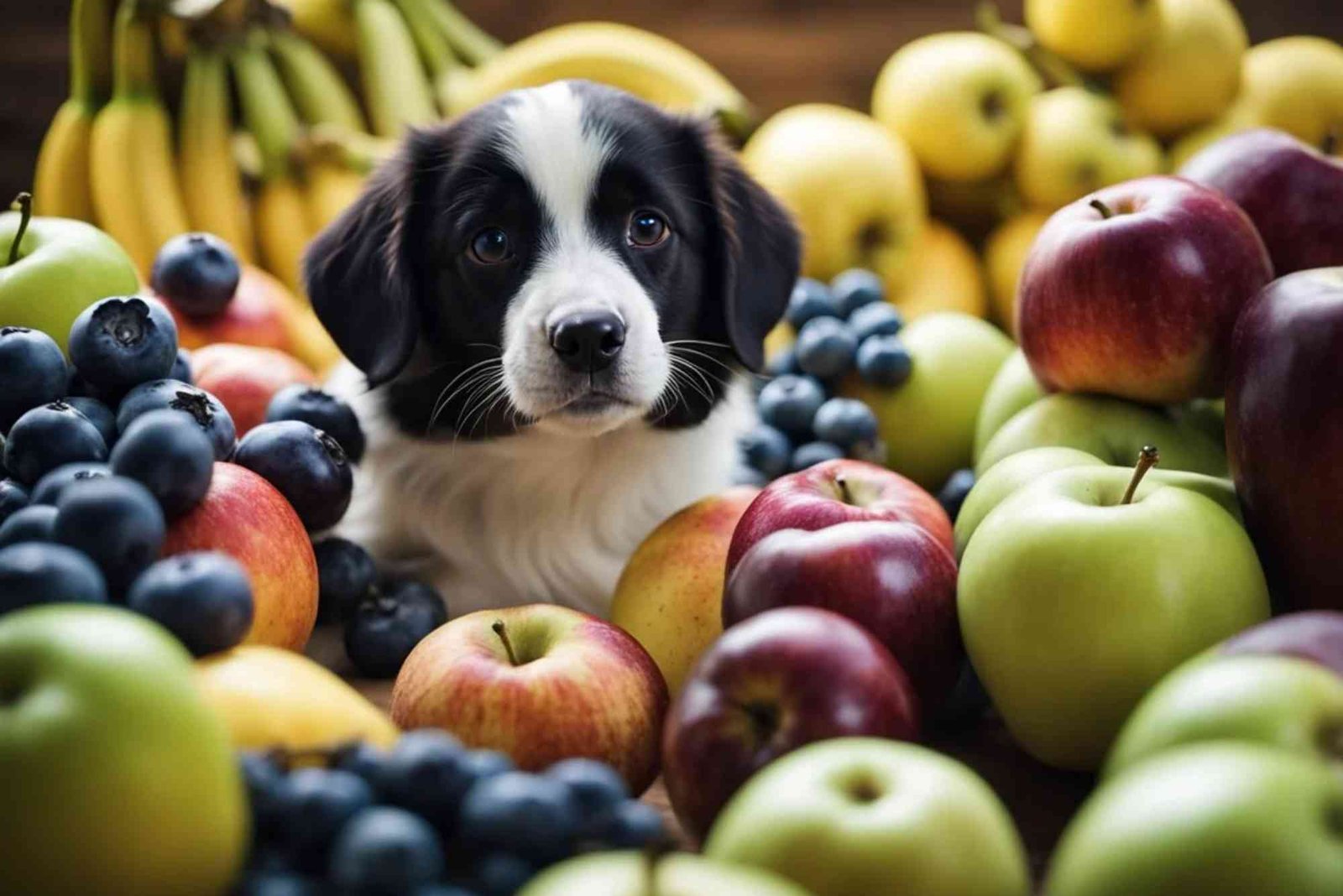
Can Dogs Eat Apples, Bananas, and Carrots? Fiber Benefits and Choking Hazard Prevention
If you have ever wondered, Can Dogs Eat Apples, Bananas, and Carrots? Fiber Benefits and Choking Hazard Prevention is an important topic to understand before sharing fruit or vegetables with your dog. Apples, bananas and carrots can provide useful nutrients and fibre when served correctly. However, preparation, portion size and your dog’s individual needs all matter.
Many dogs enjoy the natural sweetness and crunchy texture of these foods. They can also be useful alternatives to highly processed treats. Nevertheless, not every part of every food is safe. Apple seeds and cores, large pieces of carrot and excessive banana can cause problems.
This guide explains how dogs can enjoy apples, bananas and carrots safely. It also covers fibre benefits, appropriate portions and practical ways to reduce choking risks.
Can Dogs Eat Apples, Bananas, and Carrots? Fiber Benefits and Choking Hazard Prevention Explained
Yes, most healthy dogs can eat apples, bananas and carrots in moderation. These foods are generally considered dog-friendly when prepared appropriately.
The key is to treat them as occasional additions rather than complete meals. Dogs need a balanced diet formulated for their nutritional requirements. Fruit and vegetables should not replace a complete and balanced dog food.
Apples provide fibre and several vitamins. Bananas contain carbohydrates, potassium and fibre. Carrots offer fibre and useful nutrients while also providing a satisfying crunch.

However, safe preparation is essential. Removing unsuitable parts and cutting food into manageable pieces can significantly reduce choking and digestive risks.
Are Apples Safe for Dogs?
Apples can be a healthy occasional treat for many dogs. They contain dietary fibre and water, while their natural sweetness makes them appealing to many pets.
Before giving an apple to your dog, wash it thoroughly. Remove the stem, leaves, core and seeds. The apple flesh can then be cut into small, bite-sized pieces.
Apple seeds contain compounds that can release cyanide when crushed and digested. A few accidentally swallowed seeds are unlikely to cause poisoning in most dogs. Still, deliberately feeding the seeds should be avoided.
The core can also present a choking or digestive obstruction risk. Therefore, it should always be removed.
How Much Apple Can a Dog Eat?
Portion size depends on your dog’s size, diet and overall health. A small dog needs considerably less than a large dog.
Start with a small piece and observe your dog’s response. Too much apple may cause loose stools because of its fibre and natural sugar content.
Apple should remain an occasional treat rather than becoming a major part of your dog’s daily calories.
Can Dogs Eat Bananas?
Bananas are generally safe for dogs when offered in moderation. They provide fibre and contain nutrients such as potassium and vitamin B6.
However, bananas are relatively high in natural carbohydrates and sugar. For that reason, large quantities are not appropriate for most dogs.
Peel the banana before feeding it. The peel is difficult to digest and may cause digestive discomfort or potentially contribute to an obstruction.
Cut the soft fruit into small pieces. This is particularly important for puppies, smaller breeds and dogs that tend to swallow food quickly.
Are Bananas Good for Dogs’ Digestion?
The fibre in bananas may support normal digestive function. However, too much fibre can have the opposite effect.
A large quantity may cause constipation, diarrhoea, gas or stomach discomfort. Therefore, moderation is especially important.
Dogs with dietary restrictions or certain medical conditions may need a different approach. If your dog has specific nutritional requirements, ask your veterinary professional before introducing new treats.
Can Dogs Eat Carrots?
Carrots are among the vegetables that many dogs can safely enjoy. They are naturally crunchy and contain fibre and beta-carotene.
Raw carrots can provide a satisfying texture. Cooked carrots can also be suitable when prepared without butter, salt, seasoning or sauces.
The biggest concern with whole raw carrots is the size and shape of the piece. A large chunk can become a choking hazard, especially for dogs that gulp their food.
Cut carrots into appropriately sized pieces. Alternatively, lightly cook them until they become easier to chew.
For additional information about suitable vegetables, the phrase PetMD Canine Safe Vegetables can help readers explore further guidance on dog-friendly produce.
Fibre Benefits of Apples, Bananas and Carrots
Fibre plays an important role in normal digestive health. It can support healthy bowel movements and contribute to appropriate stool consistency.
Apples, bananas and carrots contain different amounts and types of fibre. Their nutritional value also varies depending on serving size and preparation.
| Food | Potential benefits | Main safety concern | Safer preparation |
|---|---|---|---|
| Apple | Fibre, water and vitamins | Seeds and core | Remove core and seeds, then cut into small pieces |
| Banana | Fibre and potassium | High sugar and excessive intake | Remove peel and serve small portions |
| Carrot | Fibre and beta-carotene | Large pieces may cause choking | Cut into small pieces or cook lightly |
Fibre should not be viewed as a reason to feed unlimited fruit and vegetables. Too much dietary fibre can upset the digestive system.
A balanced commercial or homemade diet should provide the foundation of your dog’s nutrition. Treats should complement that diet rather than disrupt it.
Choking Hazard Prevention for Dogs
Choking is one of the most important issues to consider when feeding fresh foods. Dogs often eat quickly, particularly when they find something especially tasty.
Small dogs and puppies can be more vulnerable because their airways and mouths are smaller. However, larger dogs can also choke when they swallow food without chewing properly.
The safest approach is to consider the food’s size, shape and texture. Avoid giving your dog large chunks that could become lodged in the throat.
Supervise your dog whenever introducing a new food. Watch how your dog chews and swallows it.
Why Food Size Matters
A piece that is suitable for a large dog may be too large for a small breed. Similarly, a dog that gulps food may need smaller pieces than a careful chewer.
Soft foods can be mashed or sliced into manageable portions. Firm vegetables can be grated, chopped or lightly cooked.
Never assume that a food is safe simply because it is considered dog-friendly. Preparation is just as important as the ingredient itself.
How to Introduce New Foods Safely
When introducing apples, bananas or carrots, begin with a small amount. This makes it easier to identify any digestive reaction.
Give one new food at a time when possible. If your dog develops diarrhoea or vomiting, you can then more easily identify what may have caused the problem.
Monitor your dog after feeding. Mild changes may occur when a new food is introduced, particularly if the portion is too large.
If your dog develops persistent vomiting, severe diarrhoea, breathing difficulty, weakness or other concerning symptoms, contact a veterinary professional promptly.
What Parts of Apples, Bananas and Carrots Should Dogs Avoid?
Although these foods can be suitable, some parts require extra caution.
Apple seeds, stems and cores should not be intentionally fed. Banana peels should also be removed because they are difficult for dogs to digest.
Carrots do not have a toxic core like apples. However, large pieces remain a potential choking hazard.
Seasonings are another concern. Do not add onions, garlic, excessive salt, butter or heavily seasoned sauces to vegetables intended for dogs.
Plain preparation is usually the safest approach.
Can Puppies Eat Apples, Bananas and Carrots?
Puppies can potentially eat small amounts of suitable fruit and vegetables. However, their nutritional needs are different from those of adult dogs.
Growing puppies require a diet designed to support healthy development. Treats should therefore remain limited.
Texture and size are particularly important for puppies. Soft, tiny pieces are generally easier to manage than large chunks.
If you are unsure about introducing human foods to a young puppy, consult your veterinary professional first.
How Can Fibre Affect a Dog’s Diet?
Fibre can support gastrointestinal function, but more is not always better. The ideal amount depends on the dog’s overall diet and individual needs.
Some dogs may benefit from additional fibre, while others may experience digestive discomfort when their fibre intake suddenly increases.
This is why gradual introduction is preferable. It gives your dog’s digestive system time to adjust.
The source of fibre also matters. Apples, bananas and carrots provide different nutrients and textures, so variety can be useful when offered appropriately.
Understanding Your Dog’s Communication Around Food
Dogs communicate through body language, facial expressions and behaviour. Understanding these signals can help owners recognise whether a dog is comfortable with a new food.
The concept of Canine & Feline Communication is useful when learning how pets express excitement, discomfort or stress.
A dog eagerly accepting a treat does not necessarily mean the food is suitable in unlimited quantities. Owners should combine behavioural observations with sound nutritional guidance.
If your dog repeatedly refuses a food, there is no need to force it. Dogs have individual preferences, just like people.
When Should You Speak to a Vet?
Most healthy dogs can enjoy small amounts of suitable fruit and vegetables. However, individual circumstances can change what is appropriate.
Speak with your veterinary professional if your dog has a medical condition, food allergy, sensitive digestion or a prescribed diet.
Professional advice is especially important when introducing significant dietary changes.
If your dog chokes, struggles to breathe or becomes severely distressed after eating, seek emergency veterinary assistance immediately.
Frequently Asked Questions
Can dogs eat apples?
Yes. Most dogs can eat small amounts of plain apple flesh. Remove the seeds, stem and core before serving. Cut the apple into small pieces to reduce choking risks.
Can dogs eat bananas?
Yes, dogs can generally eat bananas in moderation. Remove the peel and offer small pieces. Bananas should remain an occasional treat because they contain natural sugars and carbohydrates.
Can dogs eat carrots?
Yes. Carrots can be a suitable occasional treat for many dogs. They may be served raw or lightly cooked, provided they are cut into manageable pieces.
What fruits are safe for dogs?
Several fruits can be suitable for dogs when properly prepared and served moderately. However, safety varies between fruits and individual dogs.
Always research an unfamiliar fruit before feeding it. Remove seeds, pits, stems and other potentially hazardous parts where necessary.
Can dogs eat apple cores?
It is best not to give dogs apple cores. The core can present a choking or obstruction risk. Apple seeds should also be removed before serving.
Are bananas good for dogs?
Bananas can provide fibre and nutrients such as potassium. However, their natural sugar content means portions should remain small.
Can dogs choke on carrots?
Yes. Large or poorly prepared carrot pieces can become choking hazards. Cutting carrots into suitable pieces can make them safer.
How much fruit can a dog eat?
There is no single portion suitable for every dog. Size, age, diet, activity and health all influence appropriate treat quantities.
Start with small portions and keep treats within a sensible part of the dog’s daily diet.
Conclusion
So, Can Dogs Eat Apples, Bananas, and Carrots? Fiber Benefits and Choking Hazard Prevention comes down to three key principles: choose suitable foods, prepare them correctly and control portions.
Apples can provide fibre and refreshing moisture when the core and seeds are removed. Bananas offer fibre and potassium but should be given sparingly. Carrots can provide fibre and beta-carotene while offering a satisfying crunch.
Most importantly, never overlook choking prevention. Cut food into suitable pieces and supervise your dog while eating.
If you want to add fresh foods to your dog’s routine, begin slowly and observe their response. For dogs with special dietary needs, speak with a veterinary professional before making changes.
Use reliable pet nutrition resources, Naamnuqta understand your dog’s individual needs and make every treat a safe one.
Related Reading: المشروبات الضارة: معلومات مفيدة وقيمة
Related Reading: ملابس كاجوال: دليل خطوة بخطوة — full guide